AI and IoT Driving Intelligent Connected Digital Systems

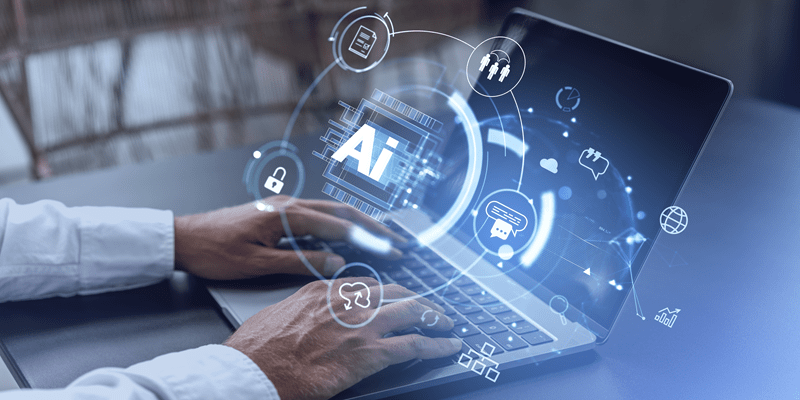
The emergence of AI and IoT combined is changing the way Organizations, Cities, and Industries operate in the new data-centric world we live in. When combining artificial intelligence with connected devices, organizations can leverage enhanced automation and predictive modelling to enable decision-making at scale.
The first stage of digital transformation focused on connecting devices via IoT. Now, however, integrating AI into IoT is allowing organizations to achieve many of the same advantages, including increasing AR, Autonomous Operations, AI and IoT applications for Smart Manufacturing (AI), and using IoT data with AI in Health (IoT Data Analytics). These same advantages have helped Enterprises achieve substantial business benefits.
Enterprises will need to continue developing new capabilities to stay agile, efficient, and secure, so the combination of AI and IoT is rapidly emerging as a strategic foundation for future Innovation.
What Makes AI and IoT the First Step Toward Intelligent Connectivity?
Artificial Intelligence and the Internet of Things work together! The Internet of Things collects immense amounts of real-time sensor data, while AI identifies patterns in the data, predicts what is most likely to occur next, and helps systems self-optimize.
By integrating AI into the Internet of Things, an environment that is connected not only monitors but also adapts and learns. The level of intelligence this technology brings to organizations improves workflow, increases customer satisfaction, and lowers downtime.
Furthermore, the AI and IOT integration will allow businesses to make decisions in real time, or on the spot, where the data was created. This reduction in latency enables the organization to respond more quickly.
How does IOT and AI Integration Create Business Value?
The integration of IoT and AI creates a continuous, unified connection between devices and the data they produce, and the intelligence to interpret it. This integration allows organizations to have data on separate systems no longer; IOT and AI integration provides a means to collect, store, and analyze data in real time through a single platform.
The capabilities of the integration of IoT and AI provide enterprises with the ability to:
- Identify problems as they arise and correct them in real time
- Streamline processes for maximum efficiency
- Anticipate and prevent equipment failures
- Increase visibility of assets
As IoT and AI continue to evolve, organizations will have a robust, adaptable infrastructure that grows with their organization while maintaining lower-than-average operating costs.
Why Is AI for IoT Applications Transforming Modern Industries?
The Internet of Things (IoT) integrates Artificial Intelligence (AI) across many industries, enabling them to develop intelligence more specifically to address real-world problems. Some examples include AI and IoT deployed across logistics, healthcare, manufacturing plants, and energy grids to enhance operations in those areas.
Some key examples of AI for IoT applications include:
- Smart factories/advanced manufacturing: Predictive maintenance
- Intelligent traffic management systems
- Remote health monitoring/connected health
- Autonomous Energy Optimization
By incorporating AI into their IoT applications into their core business processes, organizations can enhance overall operational reliability, reduce waste, and increase customer satisfaction throughout the entire value chain.
Explore More Tips: Impact of AI on Jobs and How Work Is Changing Ahead
IoT Machine Learning Use Cases - What Are the Leading IoT Machine Learning Use Cases?
IoT Machine Learning Use Cases introduce adaptive intelligence to IoT-connected devices. Machine learning models can improve accuracy and efficiency over time by continually learning from the data generated by IoT devices.
Leading examples of IoT Machine Learning use cases include:
- Predictive Maintenance in Manufacturing
- Fraud Detection in Smart Utilities
- Demand Forecasting in Retail
- Environmental Monitoring in Smart Cities
By combining AI and IoT, the examples above reduce operational risks and facilitate strategic or proactive decision-making rather than merely reactive decision-making.
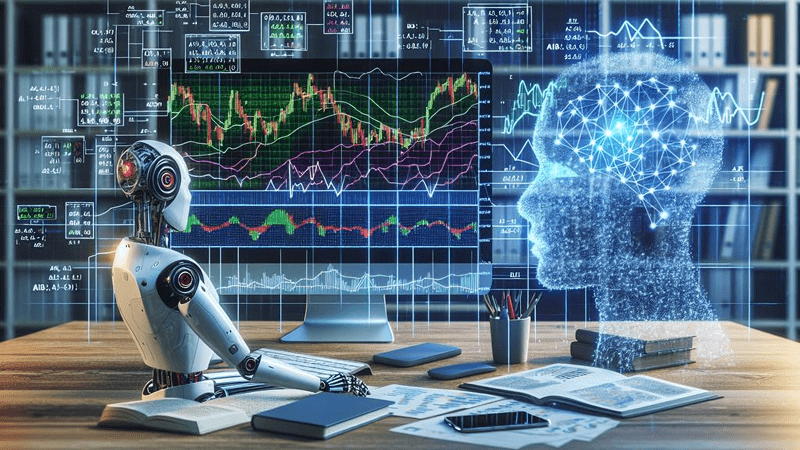
How Does IoT Data Analytics with AI Enable Real-Time Insights?
AI-enhanced IoT data analytics will turn vast amounts of IoT data into actionable insights. Traditional IoT data analytics methods struggle due to the sheer volume, speed, and variety of IoT data. However, AI can overcome those problems.
With AI-enhanced IoT data analytics, users can do the following:
- Analyze live IoT sensor data
- Instantly identify patterns and anomalies
- Dynamically adjust operational efficiencies
- Utilize predictive and prescriptive analytics
The adoption of AI and IoT data analytics solutions will become critical for organizations seeking agility, visibility, and a competitive edge as both technologies continue to evolve.
Why Are AI IoT Security Solutions Critical in the Connected World?
With the growing connectivity of devices, cyberattacks are increasing. AI IoT security solutions are more innovative than traditional cybersecurity solutions, leveraging artificial intelligence to mitigate cyber threats to networks, devices, and data.
AI IoT security solutions can:
- Bypass zero-day threats
- Monitor/predict abnormal device behavior
- Automatically respond to emerging threats
- Improve identity and access management (IAM)
As more devices connect to the internet every day, AI and IoT security solutions will no longer be optional. Still, they will be an essential component of any organization’s security strategy to ensure the safety and sustainability of its connected ecosystem, build customer trust, and maintain compliance.
How Do AI and IoT Enable Predictive and Autonomous Operations?
The main benefit of the AI and IoT technology trends is Predictive Intelligence, which uses both historical and real-time data to predict future events. Performance optimization and the complete automation of systems will also be implemented.
Using AI with IoT integrated by the Internet of Things, businesses will develop:
- Self-Healing Systems
- Autonomous Operating Systems
- Intelligent Decision Engines
With these systems in place, companies will provide roadmaps that enable their customers to transition from manually operated systems to fully automated operations using AI and IoT technology.
How Edge AI Effects Business Infrastructure for AI and IoT
The use of edge computing will expand the benefits of AI and IoT by increasing the speed at which data is processed closer to the devices that generate it, enhancing security by reducing data leakage, and reducing response times by processing data locally.
By implementing edge AI for IOT, businesses will:
- Decrease dependence on the cloud
- Increase Speed Of Response Time
- Increase the Level Of Data Privacy
The use of edge AI to enhance IOT enables faster and more durable IOT data analysis and the conversion of analytic results into intelligent decisions.
How can businesses achieve the successful implementation of AI and IOT Products?
Successful AI and IoT implementation will require developing strategies for integrating technology into the organization's business goals.
The following steps should be followed:
1. Identifying specific business needs/uses
2. Developing and purchasing the necessary hardware/software for the specific business needs and uses
3. Developing a robust Security Infrastructure for the use of IOT and AI Technology
4. Create, promote, and enforce a Culture of Data-Driven Decision-Making
When all of these steps are successfully implemented, companies will achieve significant returns on their investments in AI and IoT technologies.
What Does the Future Hold for AI and IoT Innovation?
In the future, further development in AI and the Internet of Things (IoT) relies on enhancements in automation, advanced analytics, and improved security. As the number of AI (Machine Learning) use cases in IoT continues to grow and evolve, systems will become increasingly independent and autonomous from human intervention.
Examples of emerging trends in this space include:
- Self-Optimizing Supply Chains
- AI-Driven Digital Twins
- Autonomous Smart Cities.
Continuing to develop AI-enabled Internet of Things integration is critical in a global enterprise digital transformation strategy.
You Might Like This: AI and Automation: The Future of Online Jobs in 2025
Final Thoughts
AI drives connected Intelligent Ecosystems (Artificial Intelligence) and IoT (Internet of Things), turning raw information collected into valuable insights, providing real-time access, automating processes, and predicting future behaviours/patterns. By providing an easy-to-use interface for the Internet of Things through AI integration, organisations can increase efficiency through Data Analytics, provide better Customer Support, enhance Security Capabilities, develop an Environment for Innovation (Develop products or solutions based on current trends), and grow Digitally Sustainable Businesses.
Frequently Asked Questions
1. What is the most significant value of AI & IoT working together?
By using AI, IoT transforms raw data into usable business intelligence (and enables intelligent automation, real-time analytics, and predictive insights, leading to intelligent decision-making).
2. How does the AI integration of IoT improve operating performance?
By enabling predictive maintenance, real-time monitoring, automated responses, and continuous system optimization, AI enhances enterprise operational efficiency by providing the tools needed for successful IoT adoption (and predictive maintenance).
3. Example IoT machine learning use cases?
Machine learning use cases for IoT include: Predictive Maintenance, Anomaly Detection, Demand Forecasting, Smart Energy Management, Optimizing Real-Time Performance through Machine Learning, and Predictive Analytics.
4. Why is it important to use AI for the Internet of Things?
With the rapid growth of IoT, businesses have much more data than they previously did; the ability for organizations to parse through these vast amounts of data (collectively known as Big Data) has become critical to effective forecasting.
5. What do AI and IoT provide the security solutions?
AI IoT Security Solutions can mitigate the risk to connected devices by applying specific technologies to reduce the likelihood of attacks, in addition to deploying stronger authentication.
This content was created by AI